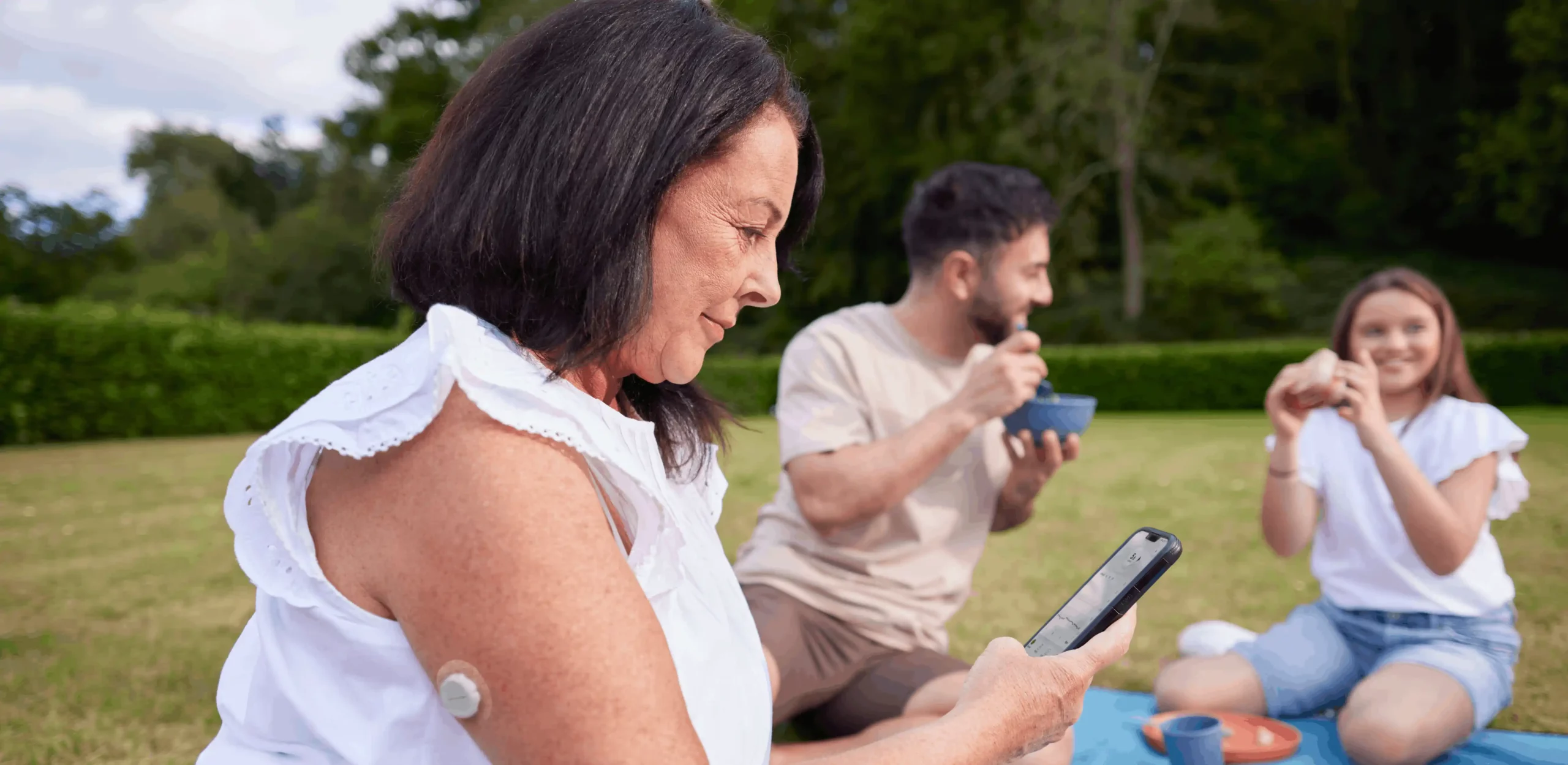
A CGM sensor generates a reading approximately every five minutes. Over the course of a 10.5-day wear period, that amounts to more than 3,000 individual data points per sensor. The critical question is not how much data is produced, but whether that data is accurate enough to act on and what happens to patient outcomes when it is.
The Pathway from Data to Decision
Every therapeutic decision in diabetes management is, at its core, a data decision. Whether to eat, whether to administer insulin, whether to reduce activity, whether to call a clinician. All of these choices flow from information about glucose levels and how they are changing. CGM improves the quality and frequency of that information. But it only improves outcomes if the data it provides is accurate.
When CGM data is accurate and consistent, patients gain access to something they have never had with traditional finger-prick monitoring: context. Not just a number, but a number with a direction and a rate of change. A glucose reading of 7.2 mmol/L means something very different when accompanied by a rapidly falling arrow than when it is stable. This contextual information (only possible with continuous monitoring) changes how patients respond, and that change in response drives better clinical outcomes.
What the Evidence Shows
The clinical literature on CGM outcomes is now robust and consistent. Patients who use real-time CGM spend significantly more time in their target glucose range (a metric known as Time in Range (TIR)) compared to those using self-monitored blood glucose. Increased TIR is directly associated with reduced rates of hypoglycaemic episodes, lower HbA1c, and fewer diabetes-related complications over time.
Dexcom’s clinical evidence base spans more than 70 peer-reviewed studies, and Dexcom devices consistently rank first in CGM adherence and patient satisfaction in international surveys. Patients who use Dexcom continue to use it and continued use is what drives sustained outcomes. A sensor that patients wear reliably produces more data, more decision support, and better long-term results.
Real-Time Alerts as a Safety Layer
The outcome case for CGM is not limited to average glucose control. One of the most clinically significant benefits is the alert system. Particularly for hypoglycaemia detection. Nocturnal hypoglycaemia represents one of the most serious risks for patients with insulin-treated diabetes, and it is the period during which traditional monitoring is essentially absent.
Dexcom One+’s Urgent Low alert notifies the patient and, via the Follow app, a designated carer or family member when glucose drops to a dangerous level, including during sleep. This is not a convenience feature. It is a patient safety mechanism backed by data showing meaningful reductions in severe hypoglycaemic events in CGM users compared to self-monitoring controls.
From HbA1c to Time in Range
The clinical conversation around diabetes management is shifting. HbA1c remains a critical measure, but it is increasingly understood as an incomplete one. A patient can achieve a target HbA1c while experiencing significant glycaemic variability (frequent swings between hyperglycaemia and hypoglycaemia that average out to a misleadingly reassuring number).
Time in Range, measured continuously through CGM, captures what HbA1c misses. It shows not just the average, but the stability of glucose control. For clinicians advising patients with Type 1 or insulin-managed Type 2 diabetes, a patient’s TIR data from Dexcom Clarity provides a far richer basis for therapeutic adjustment than a quarterly HbA1c alone.
Dexcom Clarity: Turning Data into Clinical Insight
Dexcom Clarity, the cloud-based data platform integrated with Dexcom One+, is where individual readings become clinical insight. The Clarity dashboard presents Time in Range, glucose variability, pattern analysis, and event logs in a format designed for clinical use and enabling an HCP to review a patient’s full glucose picture in the minutes available in a consultation, rather than relying on patient recall of how they felt over the past three months.
For patients, the Clarity app makes it possible to see their own patterns such as when they tend to run high, how different meals affect their glucose, and how exercise changes their overnight profile. This data visibility does not just inform decisions. It builds the self-management confidence that sustains long-term adherence.
Accuracy drives decisions. Decisions drive outcomes. This is the chain that continuous glucose monitoring, when done well, makes possible. Dexcom One+ is built on the premise that every patient deserves data they can trust and that clinical-grade accuracy should not be limited to patients who can afford the most expensive device on the market.